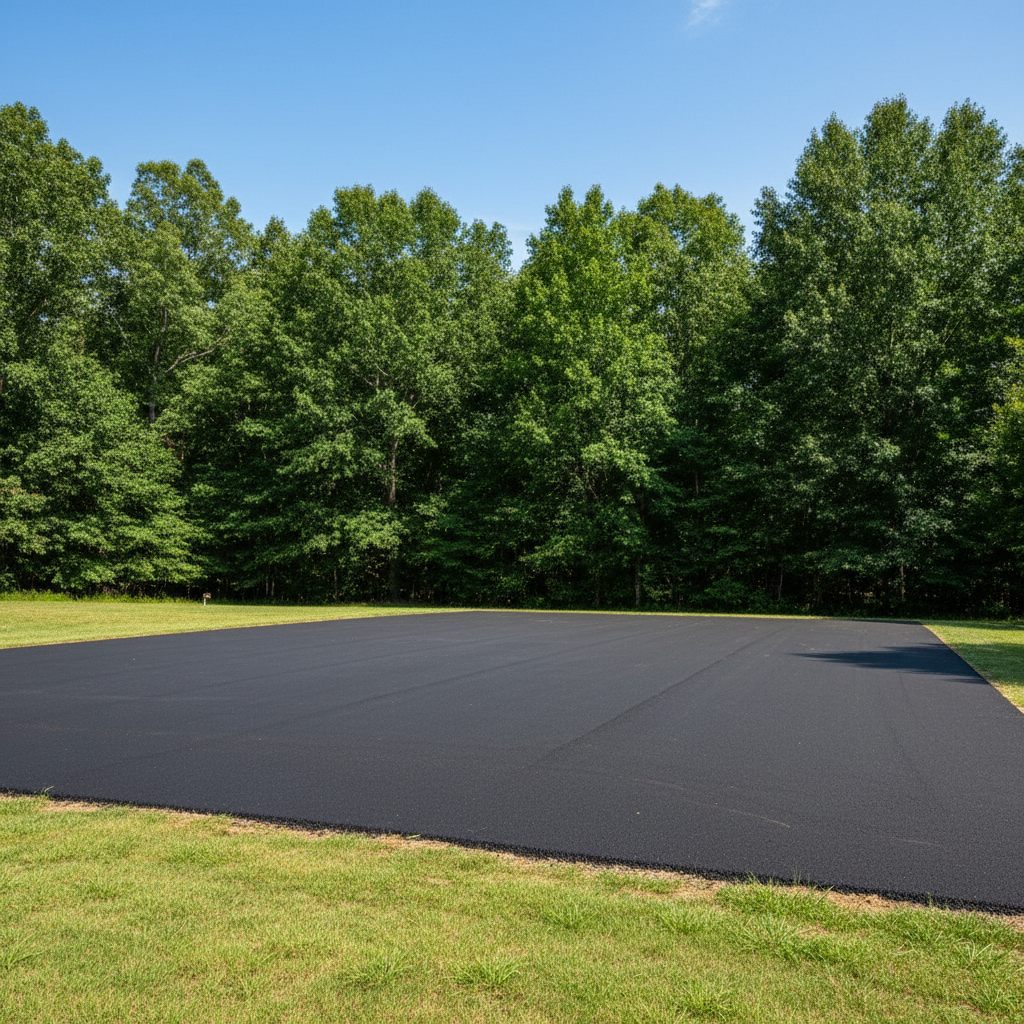
So, you just dropped a good chunk of change on that new parking lot, didn't you? Or maybe you've got an older one that's still got some life left in it. Either way, you're going to want to protect that investment. Down here in Gaston, our weather isn't exactly easy on asphalt. We get those scorching summers, sudden downpours, and even a freeze or two that can really mess with your pavement if you're not paying attention. I've seen it countless times: folks ignore the small stuff until it becomes a major headache and a much bigger bill.
Extending Your Parking Lot's Life in SC
The biggest thing you can do to get more years out of your asphalt is sealcoat it. Think of it like sunscreen for your pavement. It protects against UV rays, stops water from getting in, and even helps resist oil and gas spills. For a new lot, you'll want to wait about 6-12 months after it's paved; that lets the asphalt cure properly. Then, hit it with a good quality sealcoat. After that, every 2-3 years is usually the sweet spot, depending on how much traffic your lot sees. High-traffic areas, like around the Piggly Wiggly on Highway 321, might need it more often than a quieter office park, for instance.
Drainage is another huge one. Water is asphalt's worst enemy, no doubt about it. If you've got standing water after a rain, even for just a few hours, that's a problem. It'll seep into tiny cracks, get under the asphalt, and when it freezes (yeah, it happens here sometimes!), it'll lift and crack your pavement. Make sure your catch basins are clear and that water is flowing away from your lot, not pooling on it.
Regular Maintenance: What You Should Be Doing
It's not rocket science, but it does take a little effort. Here's what I tell my clients:
- Keep it Clean: Sweep up debris, leaves, and dirt regularly. This stuff holds moisture and can contribute to degradation. Plus, it just looks better.
- Address Spills Immediately: Oil, gas, and other chemicals can soften and break down asphalt. Get them cleaned up as soon as they happen. Kitty litter works wonders for soaking up fresh spills.
- Inspect Regularly: Take a walk around your lot once a month. Look for anything out of the ordinary. It's amazing what you can catch early if you're just looking.
- Re-stripe When Needed: Faded lines don't just look bad; they can be a safety hazard. Clear, bright lines guide traffic, mark parking spots, and help prevent accidents.
Warning Signs You Can't Ignore
Your parking lot will tell you when it's in trouble; you just gotta know what to listen for. Don't wait until it's a full-blown crater before you call someone. Here are some red flags:
- Small Cracks: I'm talking about hairline cracks, especially if they're starting to connect like a spiderweb. These are often the first sign of water getting in.
- Fading Color: If your asphalt is looking gray instead of black, it means the sun has been beating it up, and the binders are starting to oxidize. It's losing its flexibility.
- Depressions or Potholes: Even small ones. These mean the sub-base underneath is failing, probably due to water. They'll only get bigger, especially with our heavy summer rains.
- Pooling Water: We talked about this, but it bears repeating. Any standing water indicates a drainage issue or a low spot that needs attention.
- Loose Aggregate: If you're seeing small stones coming loose from the surface, your asphalt is starting to unravel.
When to Call a Professional
Look, I'm a big believer in DIY when it makes sense, but some things are best left to the pros. If you're seeing any of those warning signs, especially cracks wider than a quarter-inch, significant potholes, or large areas of alligator cracking, it's time to call in someone like us at Pacific Asphalt Solutions. We can assess the damage and recommend the right fix, whether it's crack filling, patching, or even a full overlay. Trying to fix major issues yourself usually ends up costing more in the long run because you're not addressing the root cause. We've got the equipment and the know-how to get it done right, saving you headaches and money down the road. Don't let a small problem turn into a parking lot nightmare.